Is Namibia safe for a self-drive adventure? Our honest answer.
Verified 7 July 2026 · Sources: official travel advisories of Australia, Japan, the UK, the US, Canada and Germany; Safeture/Riskline and A3M 2026 risk analyses; Global Peace Index 2025
You've probably googled it. We certainly did. "Is Namibia safe?"
So instead of one opinion, here's what governments around the world are telling their own citizens about Namibia — checked, all of it.
What the world says
- 🇦🇺 Australia: "Exercise normal safety precautions" — the same baseline tier it gives Japan and Portugal.
- 🇯🇵 Japan: Level 1 — the lowest risk category in its national rating system.
- 🇬🇧 UK: no "do not travel" warning for any part of the country.
- 🇺🇸 US: Level 2, "Exercise increased caution" — the exact same tier as France, Italy, Spain, and the UK.
- 🇨🇦 Canada: "Exercise a high degree of caution" — the most risk-averse of the major governments. We're including it because you deserve the full picture, not the flattering one.
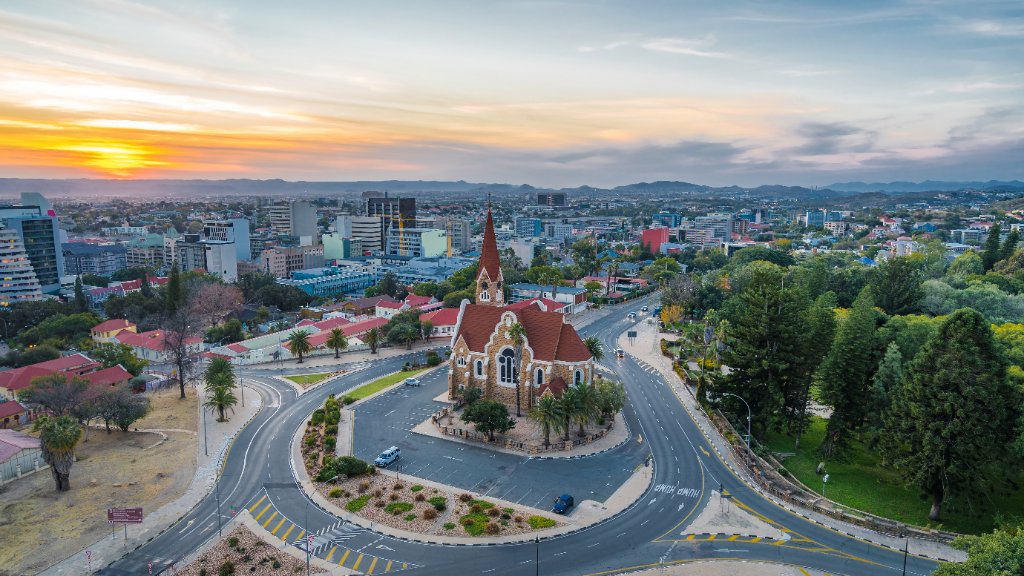
- 🇩🇪 Germany: the bluntest of the set — it flags robberies in Windhoek, including some targeting tourists. Yet German risk analysts A3M rate Namibia and Botswana as the only African countries with travel security comparable to Europe.
- Global Peace Index (2025): 50th of 163 countries worldwide, 3rd in Africa — behind only Mauritius and Botswana.
- Safeture/Riskline (2026): same safety band as France, Sweden, and Argentina.
Read it all and a consistent picture emerges:
- Violent crime against tourists is rare.
- What does happen tends to be opportunistic: pickpocketing, bag snatching, ATM card skimming, and theft from parked vehicles.
- It's concentrated in Windhoek and — notably for self-drivers — at roadside rest stops on tourist routes.
- One honest caveat: the June–October high season traditionally sees an uptick in crime in Windhoek. Incidents happen — here, and everywhere tourists carry cameras.
The four habits we use
None of this requires courage — just tourist common sense, the same you'd pack for any country:
- Nothing visible in the car. Ever. Bags, cameras, jackets, passport, money — where possible, everything goes with you. This covers the single most common incident type.
- Treat roadside stops like city streets. Stop at fuel stations and busy viewpoints rather than isolated lay-bys. Be wary of flag-downs — if someone genuinely needs help, report it at the next town instead of stopping alone. We learned this one first-hand: we stopped for a flag-down once, and the situation turned uncomfortable fast. Nothing bad happened — but it so easily could have. Going forward, we drive on and report at the next town.
- Windhoek first-night (or last-night) rules. Secure accommodation, don't walk with valuables after dark, use ATMs inside malls or banks.
- Cards and cash. Inspect ATMs before use; never let your card out of sight; and keep cash on hand for fuel — not all stations take cards, especially heading into remote areas.
That's the whole crime chapter: four common-sense habits, mostly practised in one city, on one or two days of your trip. Once you're out of Windhoek, the data puts your crime-risk in the same band as countries like France and Sweden.
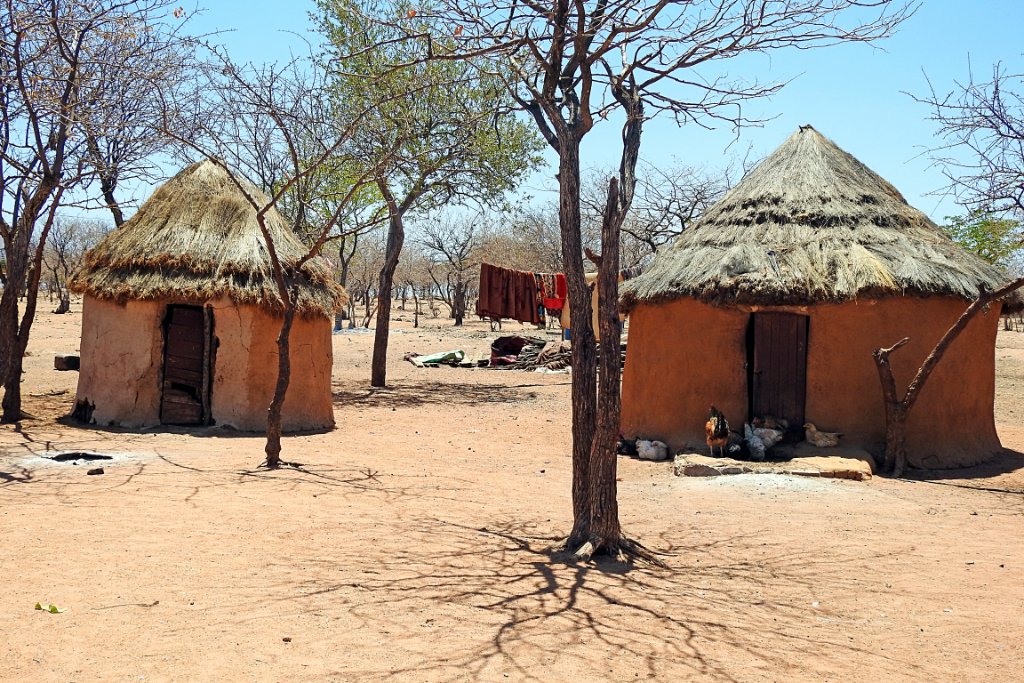
Now the part nobody googles — and should
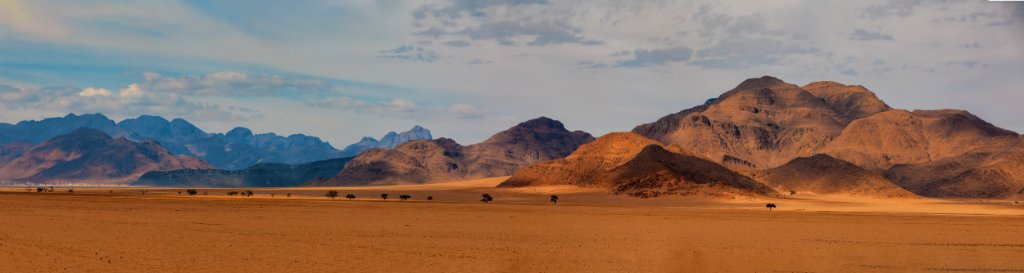
Here's what the safety data actually shows, and it changes what "being careful in Namibia" means. It's not about crime — it's about the road itself.
Statistically, the road is a bigger risk to you than crime is. Independent risk assessments are blunt about it — road transport, not crime, is the most significant safety variable in Namibia. And the typical incident isn't dramatic: it's a single vehicle, on gravel, going too fast, often with a tired driver or in fading light.
Which is genuinely good news, because unlike crime, every part of that is in your hands:
- Gravel rewards patience. Under 80 km/h, slower into bends, and it's entirely manageable — locals drive it daily.
- Distance rewards honest planning. Namibian drive times are longer than the map suggests; the trap is packing a day too full, not the road itself.
- Daylight rewards arriving early — as do sundowners, afternoon pool swims, and relaxing by a campfire. The same wildlife you search out and photograph by day becomes invisible after dusk. Plan to be where you're going before dark and the risk mostly disappears.
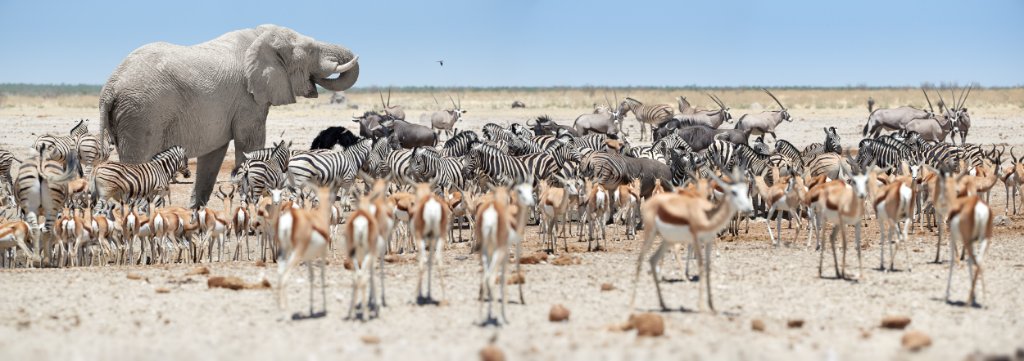
You'll notice none of this is outside a self-driver's control. It's about making sure your trip's pace meshes with what's actually drivable.
This is literally why we built the tool
The pace check in the TripPace planner runs every day of your route against real road data — surface type, verified drive times, fuel gaps, park gate hours — and tells you plainly whether a day is DOABLE, TOUGH, or IMPRACTICAL. It's the "will we make it before dark?" question, answered before you book anything.
Run your route through it. If every day comes back DOABLE, you haven't just planned a trip — you've planned away the thing that actually goes wrong out here.
Every figure on this page is checked against primary sources and date-stamped. If you spot something outdated, tell us — accuracy is the whole point.
Namibia Self-Drive Safety
What is the single biggest safety hazard when self-driving in Namibia?
The primary risk is vehicle accidents caused by speeding on loose gravel roads, sudden tire punctures, or hitting large wildlife wandering onto unlit roads at dusk. General crime rates against tourists are very low.
Is it safe to drive at night outside of major Namibian towns?
No, driving after dark outside urban boundaries is highly dangerous and explicitly discouraged by all local rental agencies due to severe visual hazards from free-roaming wildlife. Please read our essential Namibia Tips and Tricks to learn more about safely navigating these remote routes.
Can I safely rely on standard Google Maps for driving timelines in Namibia?
No. Google Maps routinely underestimates travel durations because it fails to calculate real-world slowdowns on rough "C" and "D" gravel roads. You should plug your stops into our free TripPace Route Planner to calculate realistic, gravel-adjusted drive times and avoid getting locked out by sunset park gates.